Fitness Coaching &
Personal Training
JACKSON HOLE
+1 307 342 6480
Safe, Functional Fitness For Mountain Lovers
over 55 in Teton County
STEP 1: Fill out this 2 minute form
(It may take a moment to load)
STEP 2: Learn more about what we do
You did not come to the Tetons to sit around.Aches, injuries, and inner restrictions are anchors on our active lives. I’ve watched back and knee injuries end careers, hobbies, and marriages. My work is to stop that from happening to you.If you want to level up your strength, endurance, and ability to play in the mountains without getting hurt, you’re in the right place."An ounce of prevention is worth more than a pound of cure" --- Benjamin Franklin.
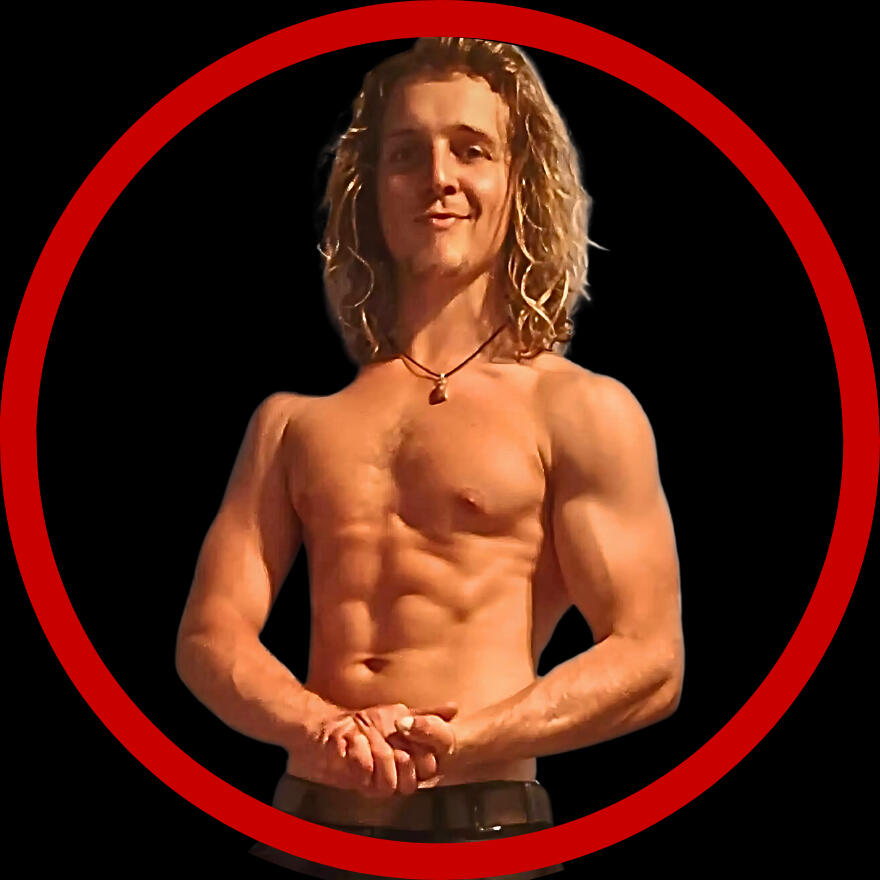
Noah East
My name is Noah East, and for years I've been helping mountain town locals (and myself) get back to doing what they love, without pain and injury sidelining their adventures.I've been through the pain and frustration of multiple back injuries. It took a long time to figure out how to work, live, and play without being limited by pain, metabolic issues, and inefficient motor control, but it is well worth it.Now I focus on helping others expand their abilities and enjoy fitness in the mountains, no matter where we're starting from.
Certificate IV in Fitness (AIPT)
Corrective Exercise Specialist (ISSA)
Adaptive Instructor of the Year - 2026 (Jackson Hole)
Certified Nutrition Coach (NASM)
Certified Postural Alignment Specialist (EGOSCUE)
Flow Research Collective Graduate (Z2D)
Bodybuilding Specialist (ISSA)
Acceptance & Commitment Therapy Practitioner (ACT)
Fully Insured
Currently Studying for Doctorate of Physical Therapy
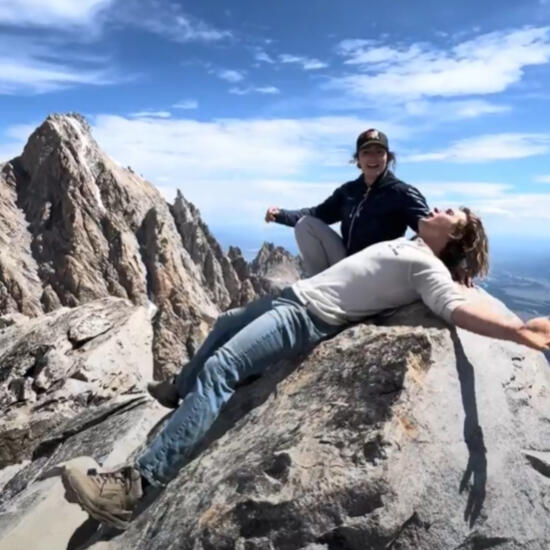
3 Ways We Serve Teton County
1. Home-Visit Personal Training2. Personal Training using the best facility in the county, "The Gym", in South Park, WY.3. Group classes or events offered at select locations, including outdoor adventures.
How Our In‑Home and In Gym Fitness Coaching Works
Step 1 – Phone Consult (15 min)
Quick call to understand your history (surgeries, injuries, fears, goals). TEXT US FIRST or fill out the contact form above.Step 2 – Assessment (90 min)
We meet at The Gym or I come to your home (with equipment), and evaluate your readiness for exercise, clarify your main intentions, and
work with you to create functional objectives that get you making progress that matters.Expect to explore your biomechanics, posture, balance, strength, cardio health, nutrition, and sleep.Step 3 – 12‑Week Plan
Sessions that work for your schedule, + simple but powerful daily movement and sleep/nutrition changes that make all the difference to your goals.Step 4 – Leveling Up Long Term
Now that you've mastered the basics, it's time to move onto the next evolution of your custom training plan tailored precisely to your wants and needs.
Group Events and Classes
Contact us for our updated schedule.
+1 307 342 6480
STEP 3 (optional):
See what people like you are saying
Reviews and Testimonies
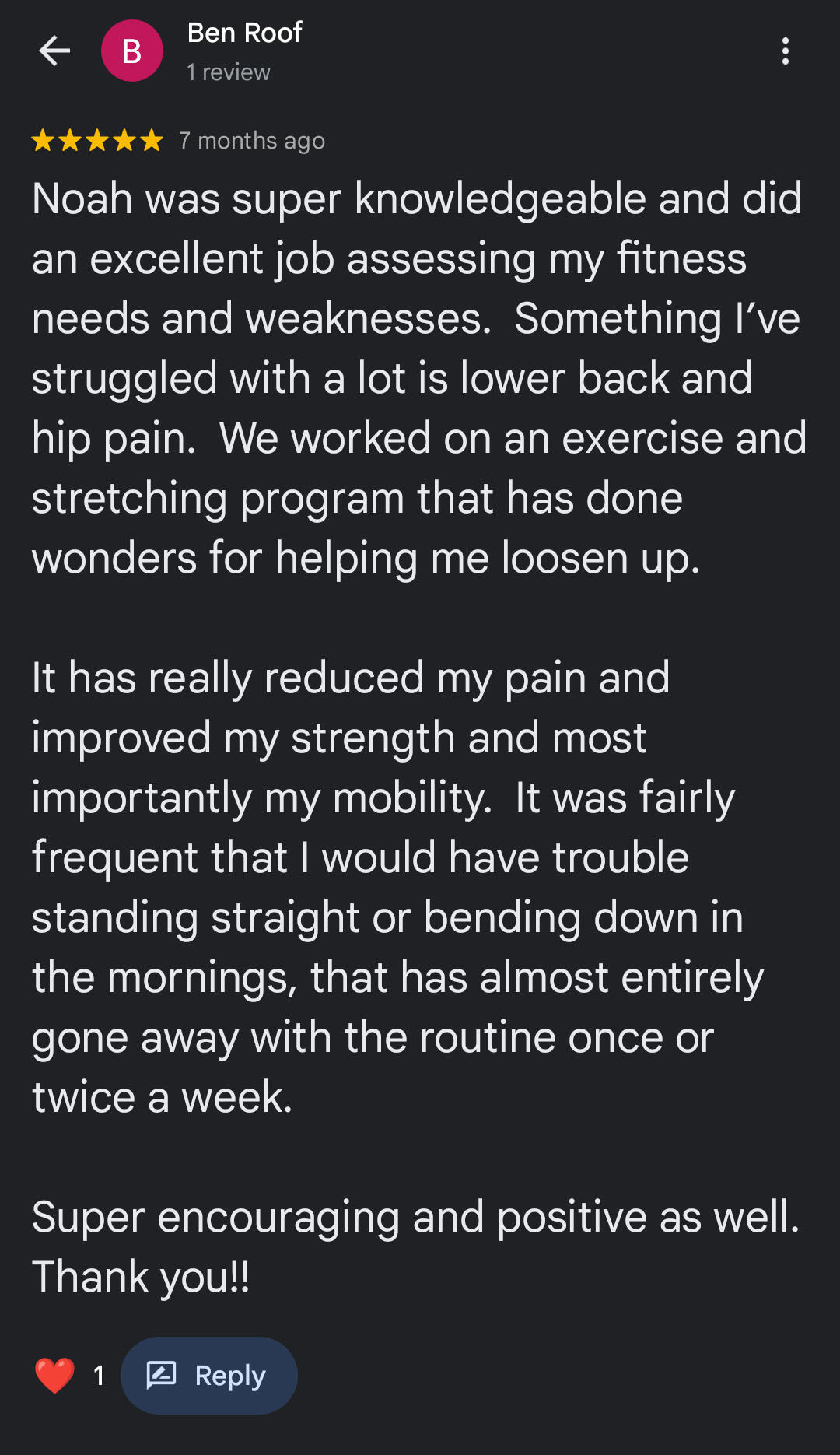
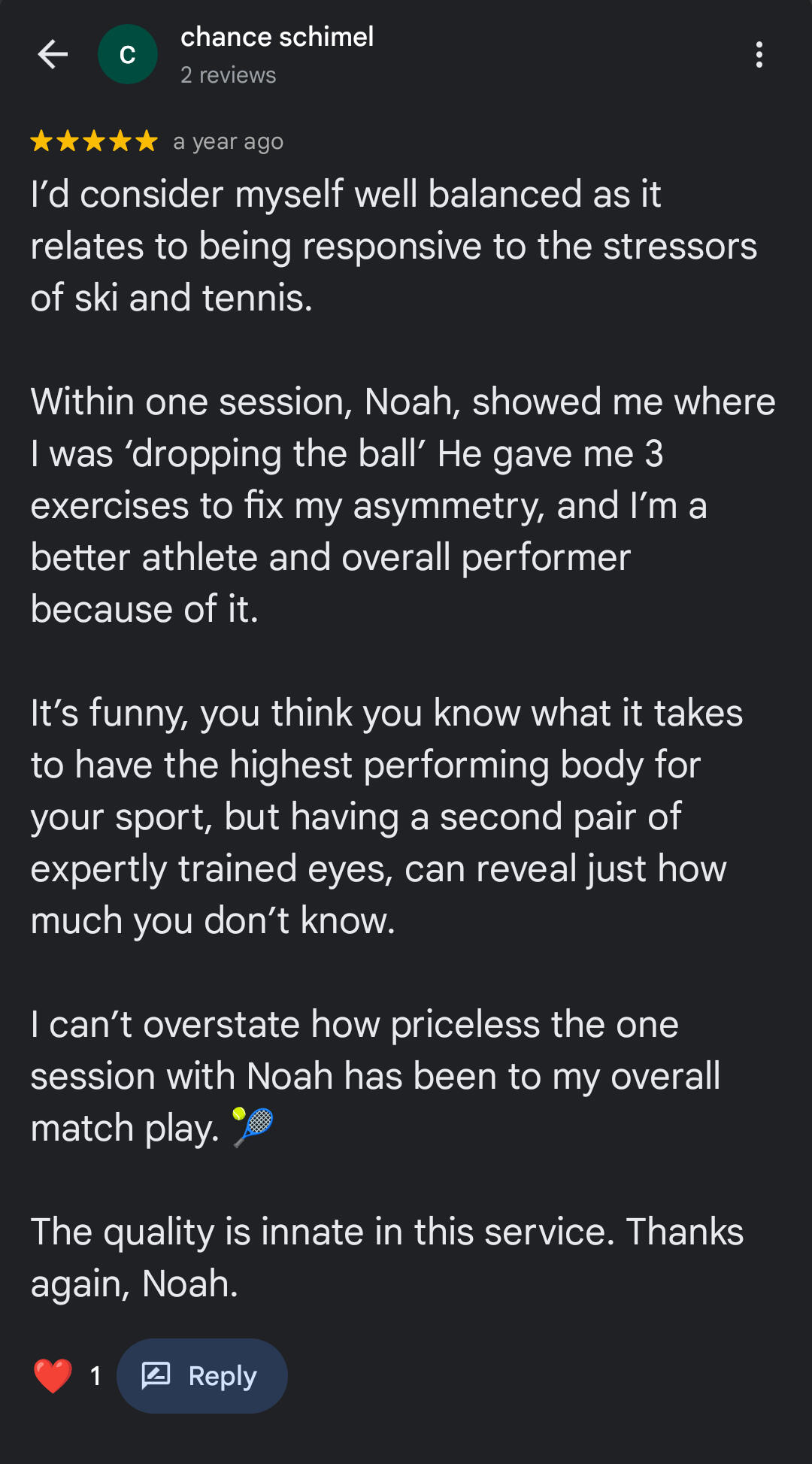


Sam had stubborn sciatica pain that was making it hard to move on the tennis court (fo his job) and slowing down his life with every step.We identified the root cause and opened the pain-free performance he hadn't had in far too long.Sam lost 12 pounds in 3 weeks and got back to coaching tennis, and the housework he was neglecting due to the pain.Watch the 2 min video to learn more.

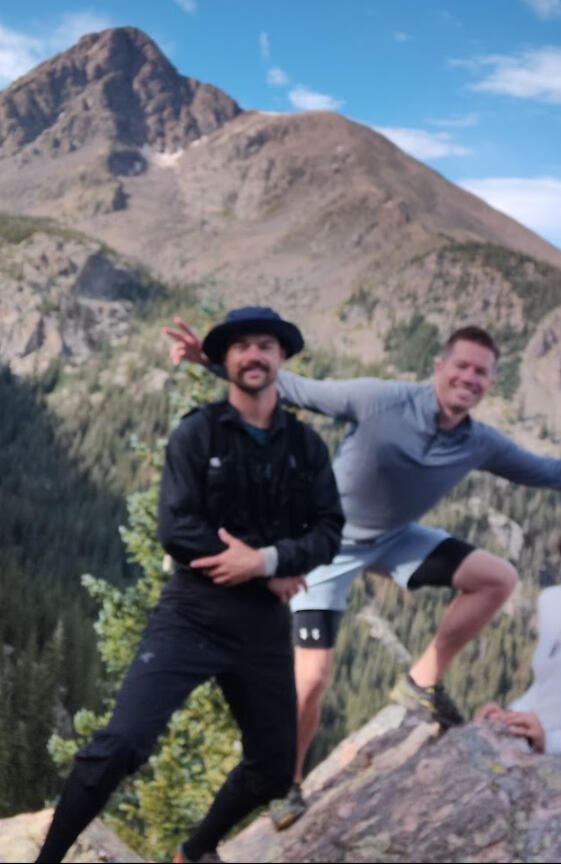
Chuck was introduced to me while bummed that he couldn't trail run for the last few weeks because of nasty knee pain. We solved that on the spot and went for a run. No PAIN!It doesn't always happen that fast, but when we diagnose the issue accurately and treat it appropriately, some persistent issues can be solved in 2 minutes in a parking lot.Chuck got back to summiting the tallest mountains in America with no delay!Watch this one minute video from 14,005 feet!- Chuck B
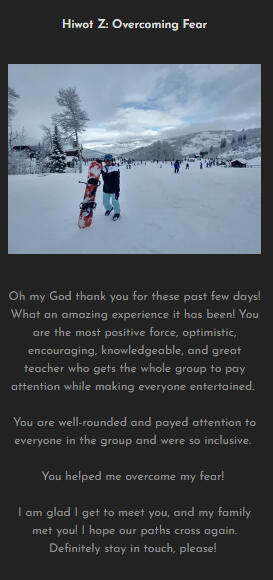
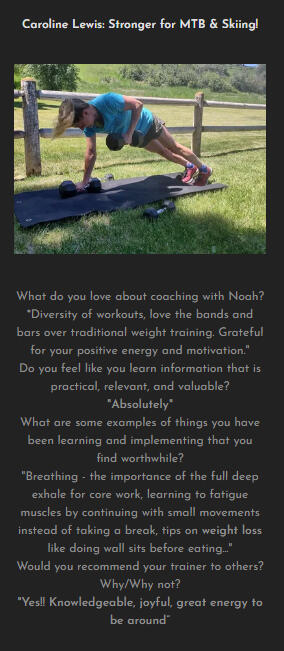
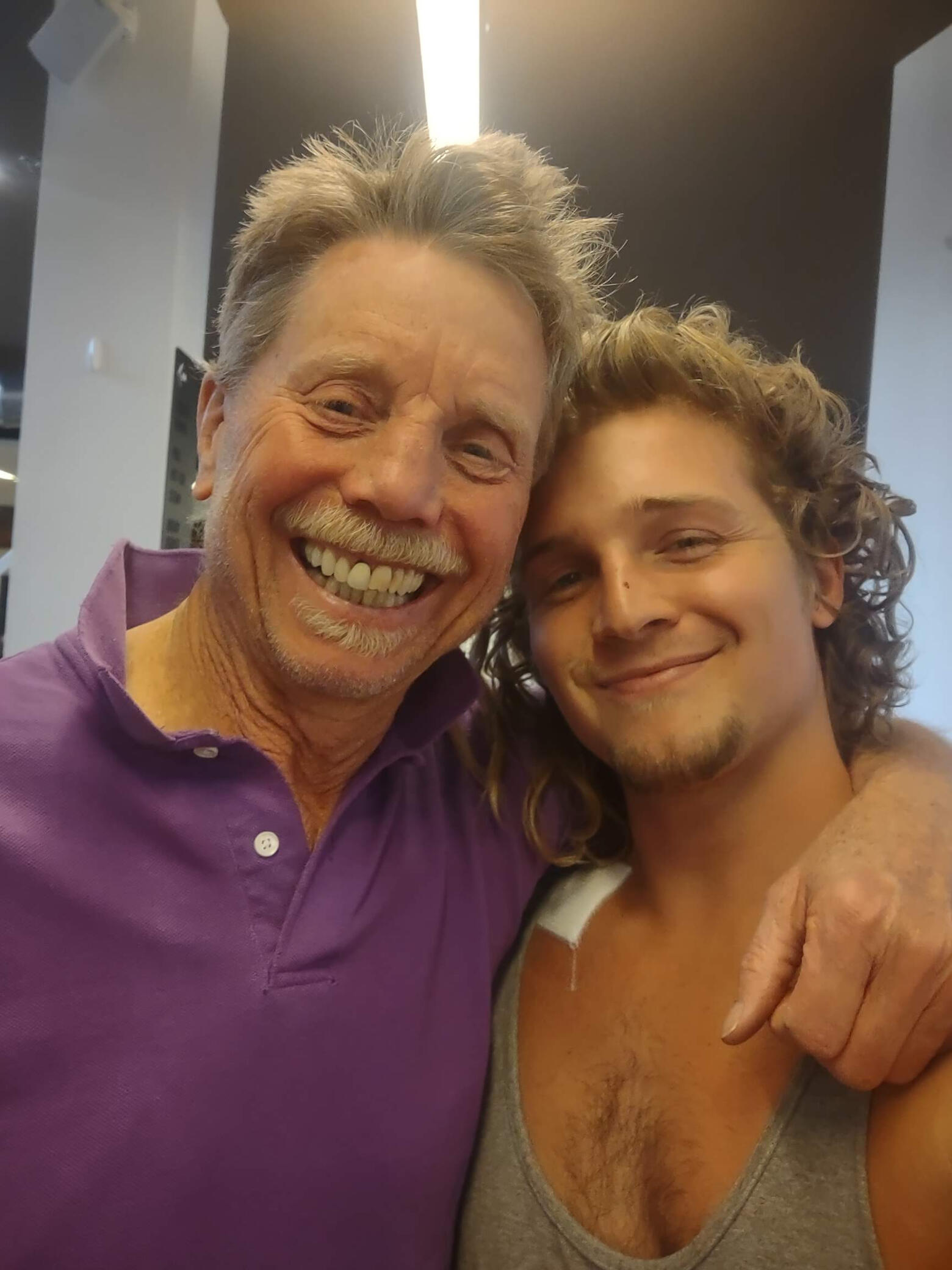
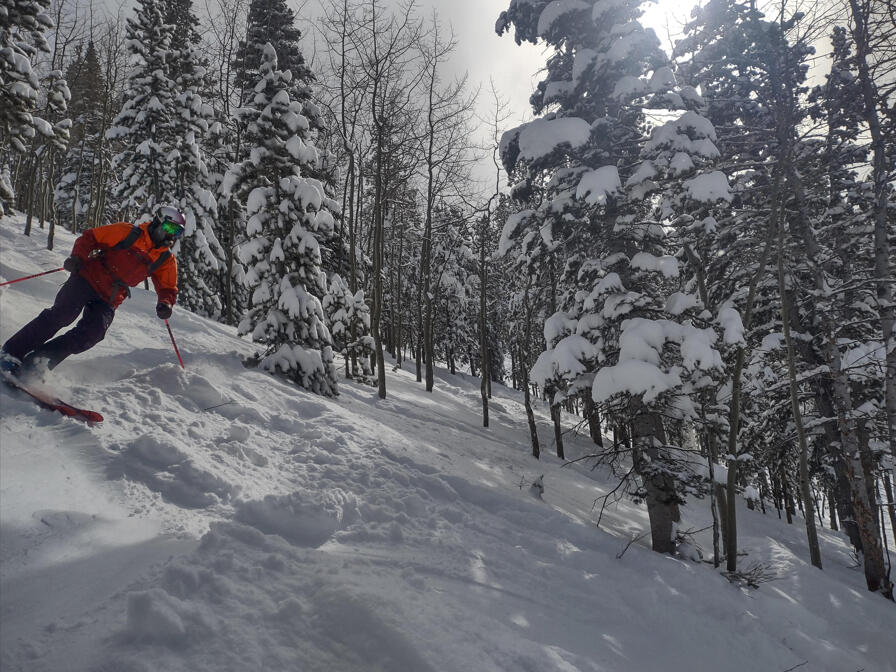
For over 2 years, Mr King missed skiing and playing lacrosse competitively. Within just 2 weeks he was skiing longer days than he had for the last few season. What changed?
We got to know what the cause of his knee pain and instability was and tailored exercise solutions that worked to free him from pain and allow him to play harder and keep up with friends in the mountains.We went from hardly being able to throw a tennis ball (not good for lacrosse competitions) to confidently throwing across the gym floor after just a few shoulder rehab exercises. Tommy King is a legend I always look forward to seeing what he is up to next, now with better knees and shoulders and an attitude brighter than ever.
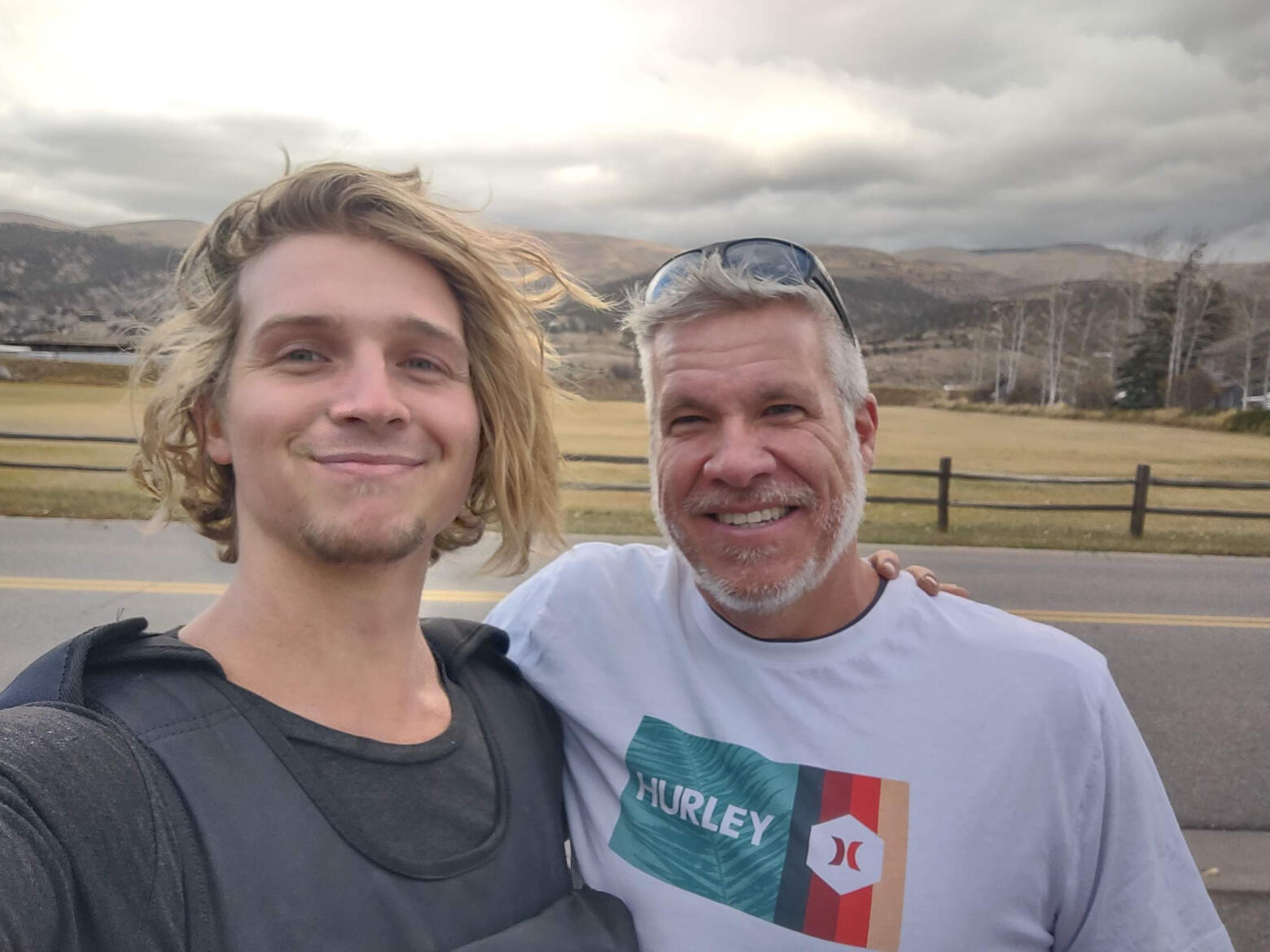
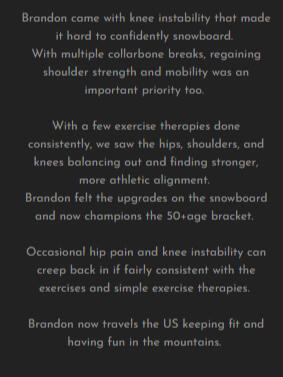
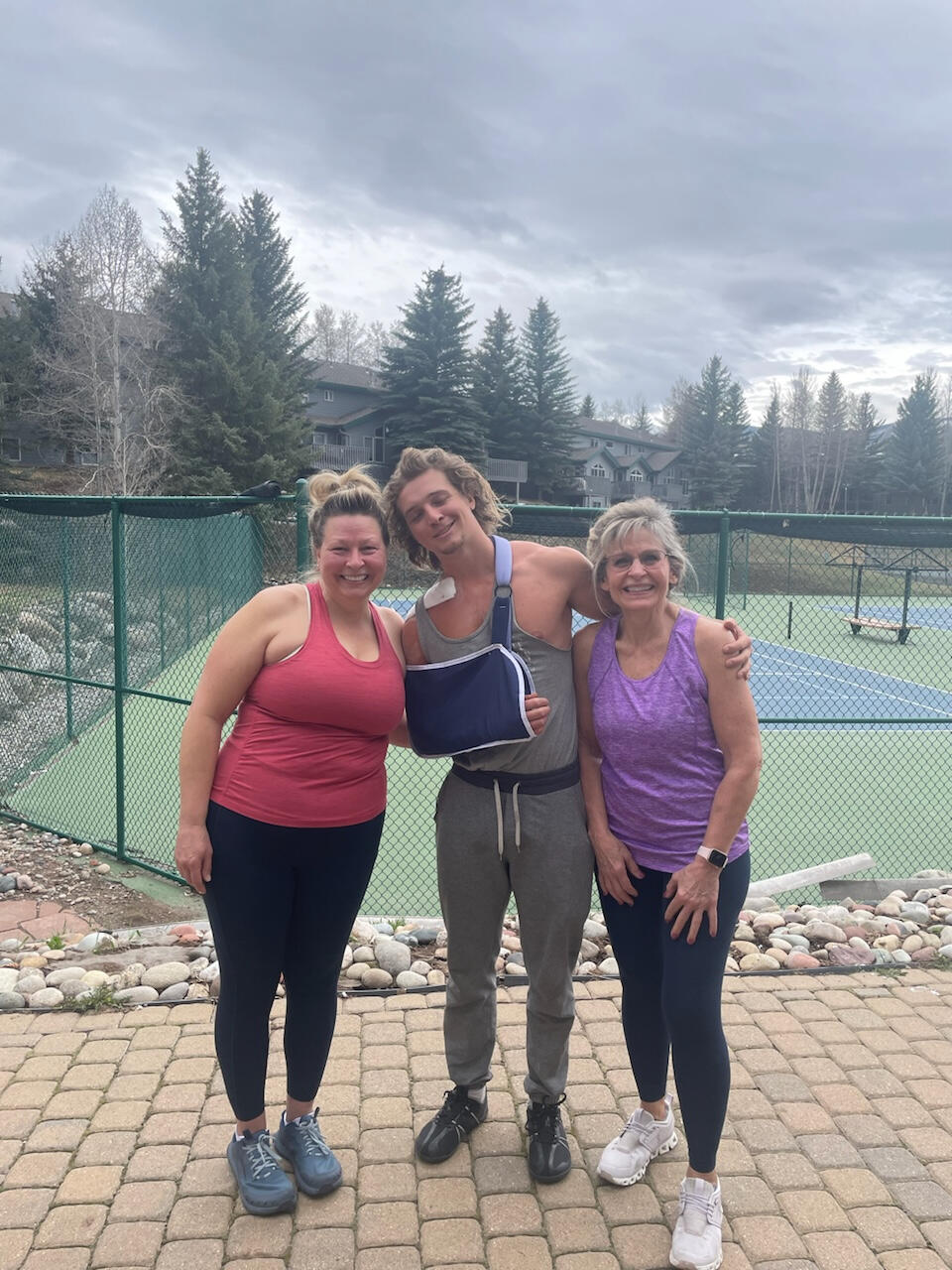
" I wanted to increase my strength, tone my body & drop some weight...I enjoy feeling my body becoming stronger, even though difficult, I enjoy Noah pushing me a little to achieve another level of fitness.Noah made it a point to get to know me, what injuries and limitations I have and how to either modify the workouts or slowly strengthen my weaknesses.10 out of 10 for learning practical, relevant, and valuable information.Noah analyzed my body's alignment by taking pictures, watching my movements and explaining issues, then gave me a short daily exercise routine to correct these issues.Each class is different and it's great to know there are many exercises & equipment options I can use to get similar results.I had never used the rollers and balls before to roll out sore muscles. I have added this to my workouts and it really helps.I would absolutely recommend Noah.He is always learning and wanting to share. He is always ready for class, super friendly, and cares that I am seeing results.I'm starting my (next pack) of classes with Noah and want to continue to improve my strength, tone my body, and hope to alleviate some/most of the pain and restrictions I originally started with."- Judy P
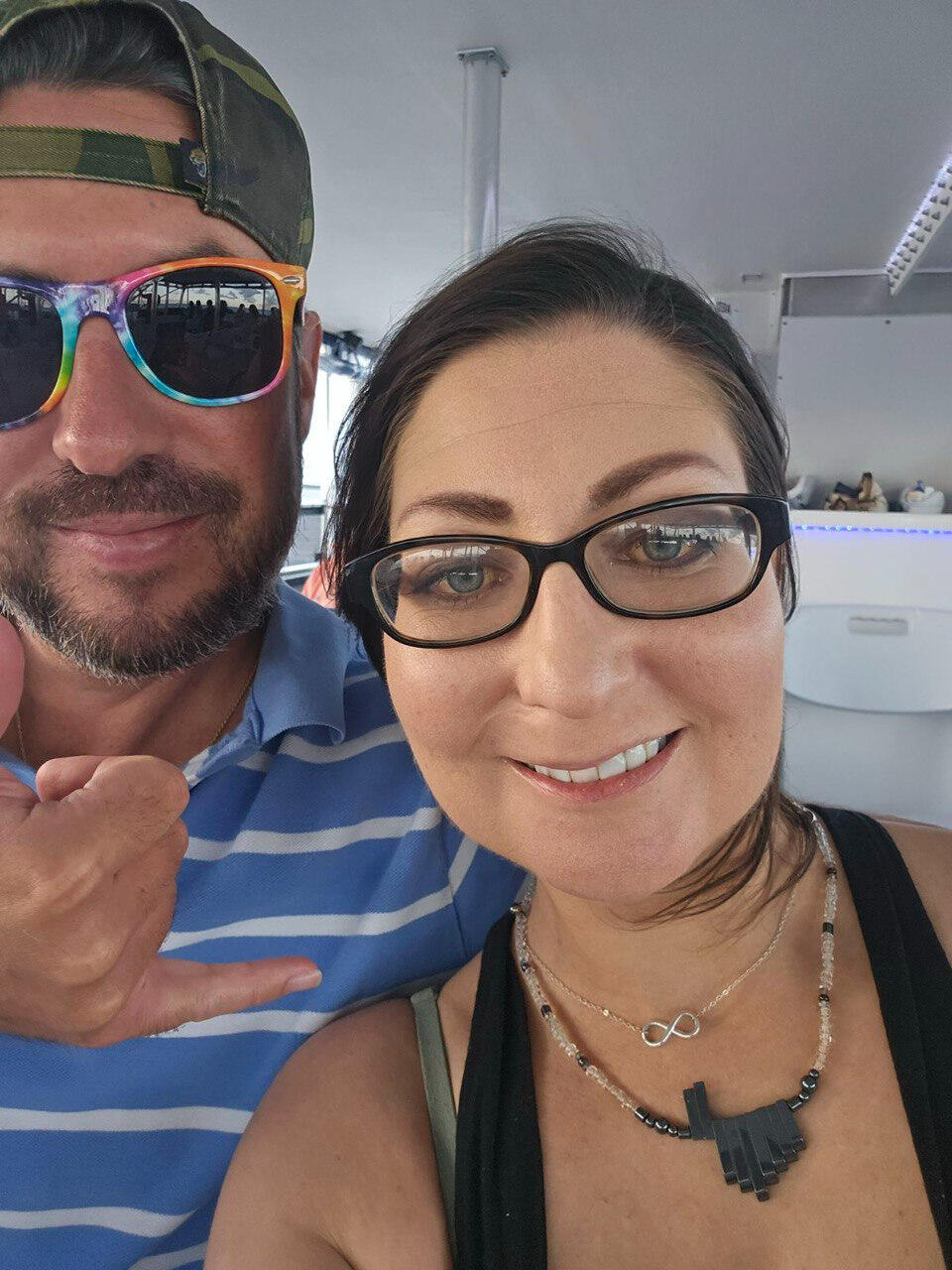
"I love your (Noah's) thoughts moving forward!! Also,I appreciate your listening & HEARING me & what I would like out of training and also what I thrive for on a personal level. You'd be surprised how many pros in the field of healing (don't) listen & apply a client's needs or desires to an exercise/practice. & then there are those that who HEAR beyond just words & offer to explore where those words manifest, how those words truly affect an individual & appropriate it to their everyday lives. It is a HUGE aspect of healing that is unfortunately rare in this field & I appreciate that you offer sincere physical, mental, and even emotional attention to me as an individual and my needs with your expertise.In my experience, it certainly makes you more well-accomplished and established as a trainer than others I've worked with in the past. I'm not sure if you do this with all your clients but I am grateful to feel stronger, tougher, & healthier in training as well as happier clear-minded & balanced in my overall life. It's a skill lost in others when training becomes just a job and I am also very grateful to feel like I've come out with a friend as well!!I promise I am being genuine and honest when writing and in our sessions! See you Sunday!"- Berkely C

Sam Bee shreds and sings but his health was leading him to the point where he couldn't perform.He decided to take action and do something about it. He quickly developed better breathing habits that translated into better singing, as well as reduced his inflammation in his throat.Getting stronger and losing fat meant that he could snowboard easier while not playing tunes. He continues to play professionally in Colorado, now with a better foundation of health and fitness.
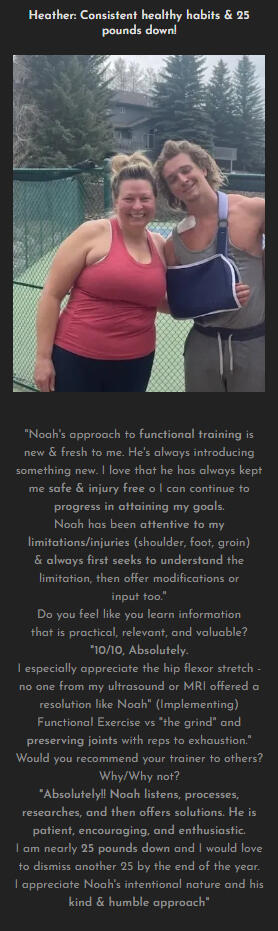
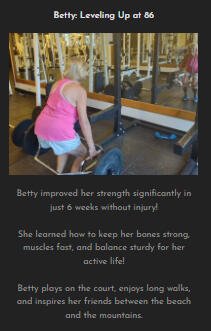
+1 307 342 6480
STEP 4 (optional): Read About Our Services
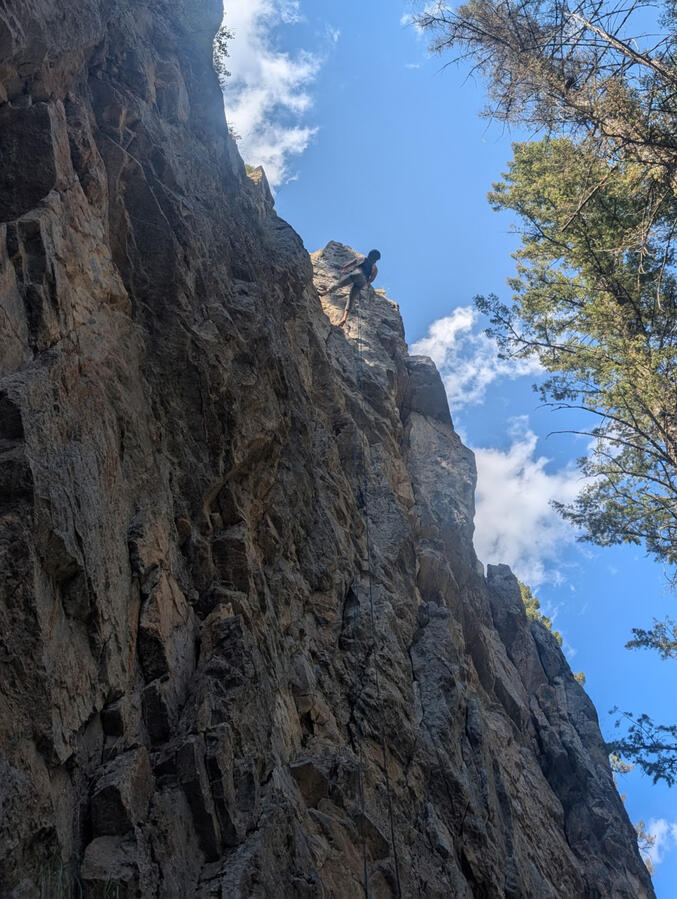
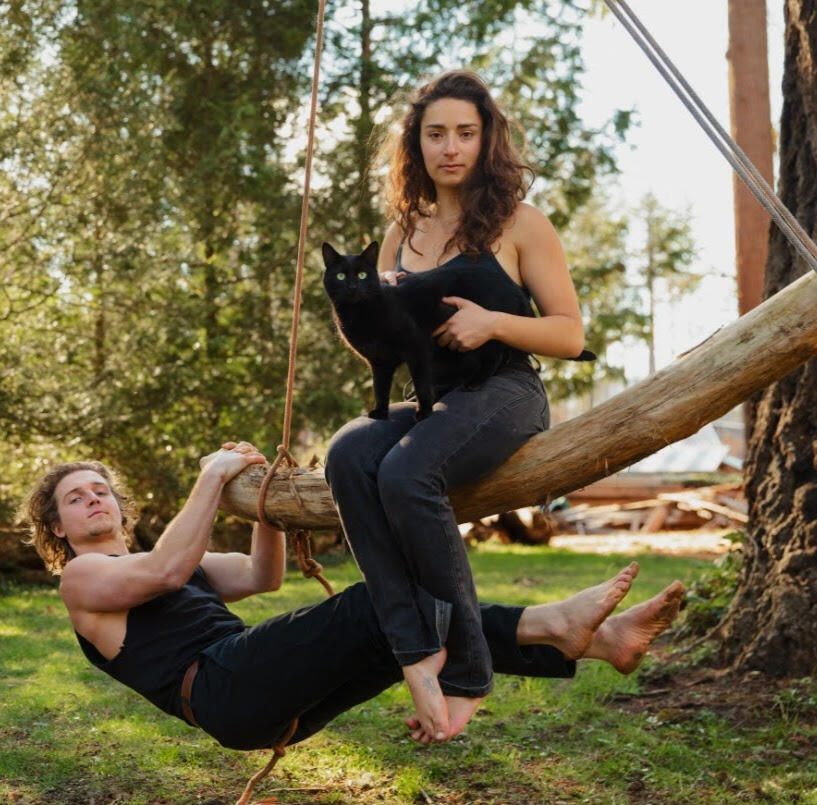
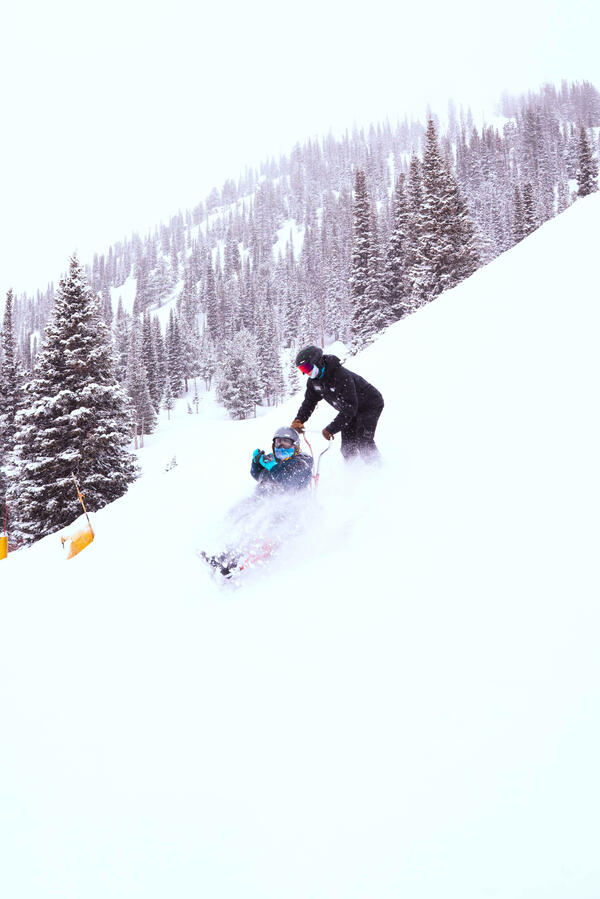
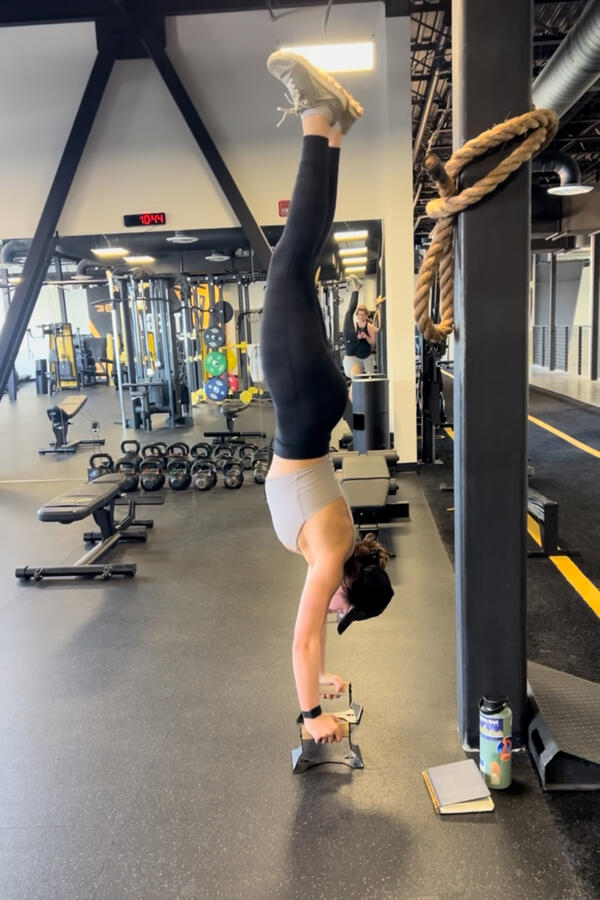
Personal Training and Fitness Services
Serving the Jackson, Wilson, Teton village, Golf and Tennis, 3 Creek, Spring Gulch, South Park, and nearby areas in Teton County,. Ask us about our in-home, outdoor, in-gym, and online options.
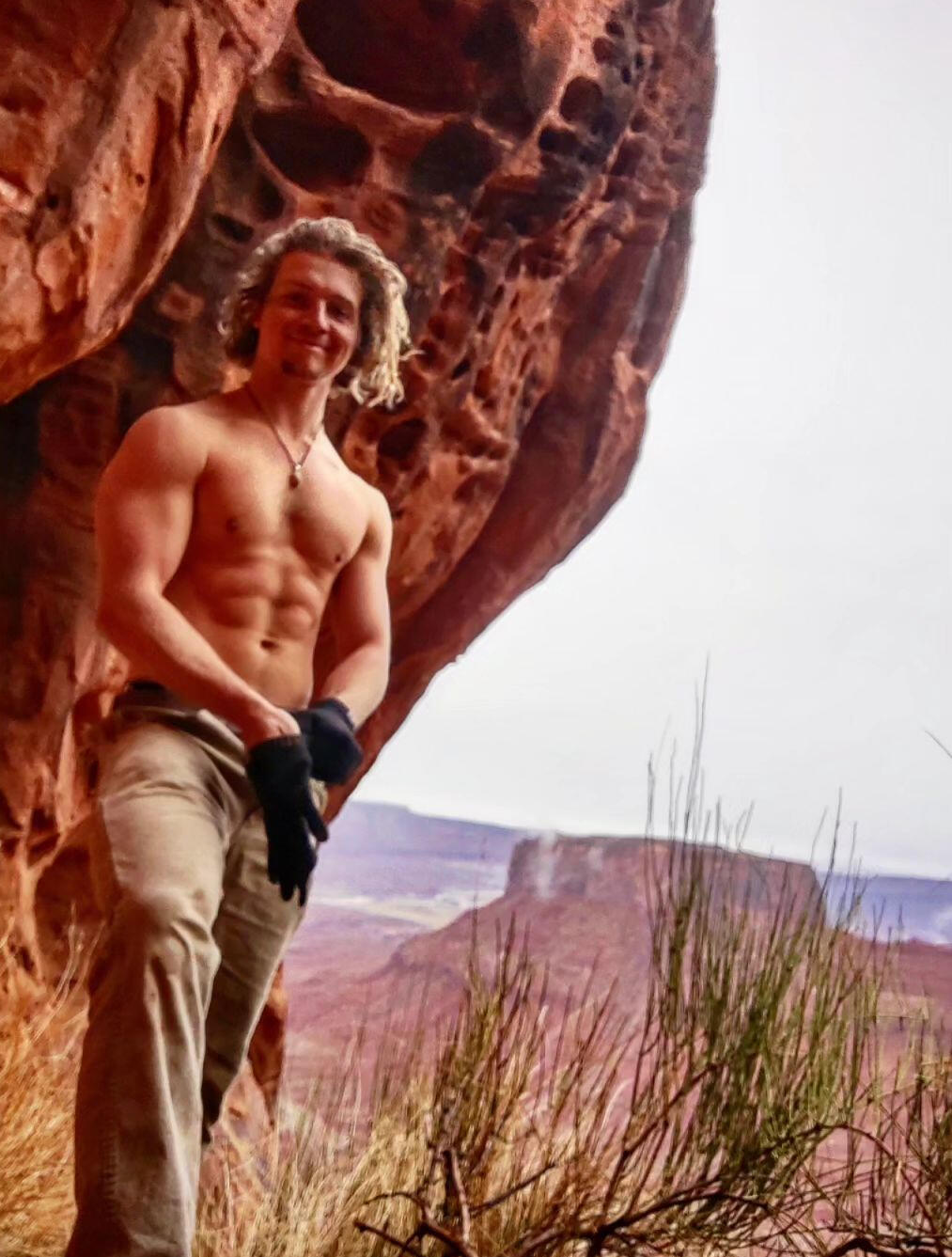
Muscle and Bone Building Secrets
Building real strength and functional muscle safely is not about throwing weights around or taking supplements. In fact, building the body you want might be easier than you think! By mastering the fundamentals and applying a couple of proven biohacks, we can quickly see results of increased functional, attractive muscle mass and fat loss.
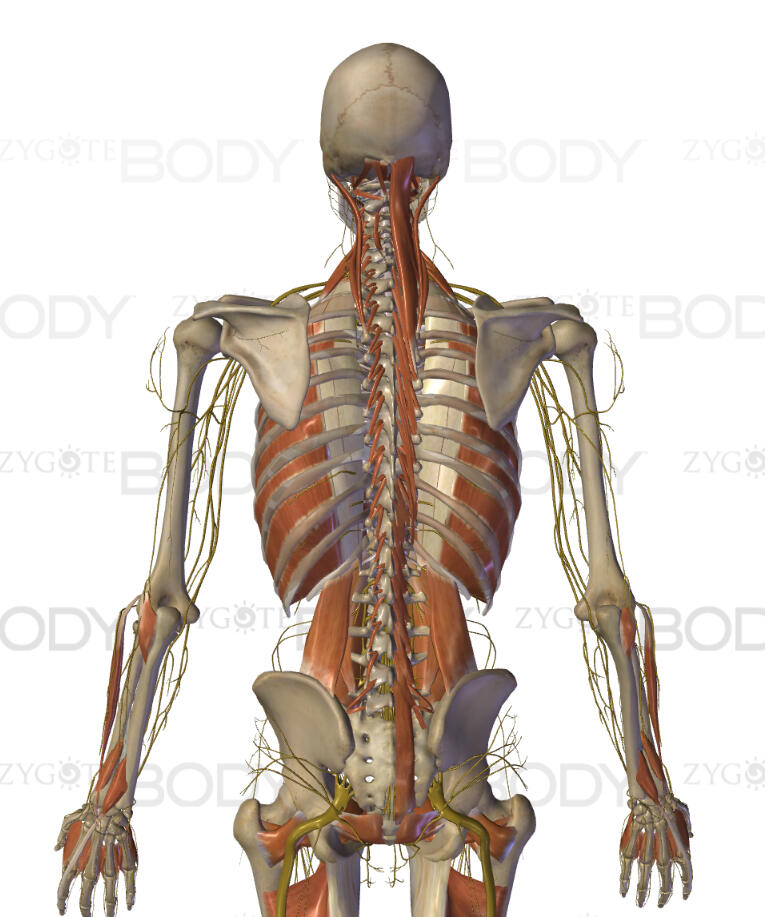
Corrective Exercise for Back, Hip, & Knee Pain
Evidence-based, brain-stimulating training that’s never rushed or one-size-fits-all.
Nagging back or knee pain often stems from simple imbalances. By applying targeted, evidence-based movements, we can frequently realign the body and relieve chronic issues. It’s about getting us back on the trails and back to work without that constant ache slowing us down.

Superhuman Nutrition That Works
Skip the crash diets. We build sustainable, superhuman nutrition plans that fuel mountain performance and support natural fat loss and muscle gain.
If your nutrition isn't dialed in, your performance won't be either. If you've been looking for an edge that will get you recovering faster and charging harder, this is it. Not many trainers appreciate how easy it is to build muscle, lose fat, and sharpen your mind without all the fuss of dieting. All it takes is the right evidence-based approach that works for your biology, your intentions, and your lifestyle.
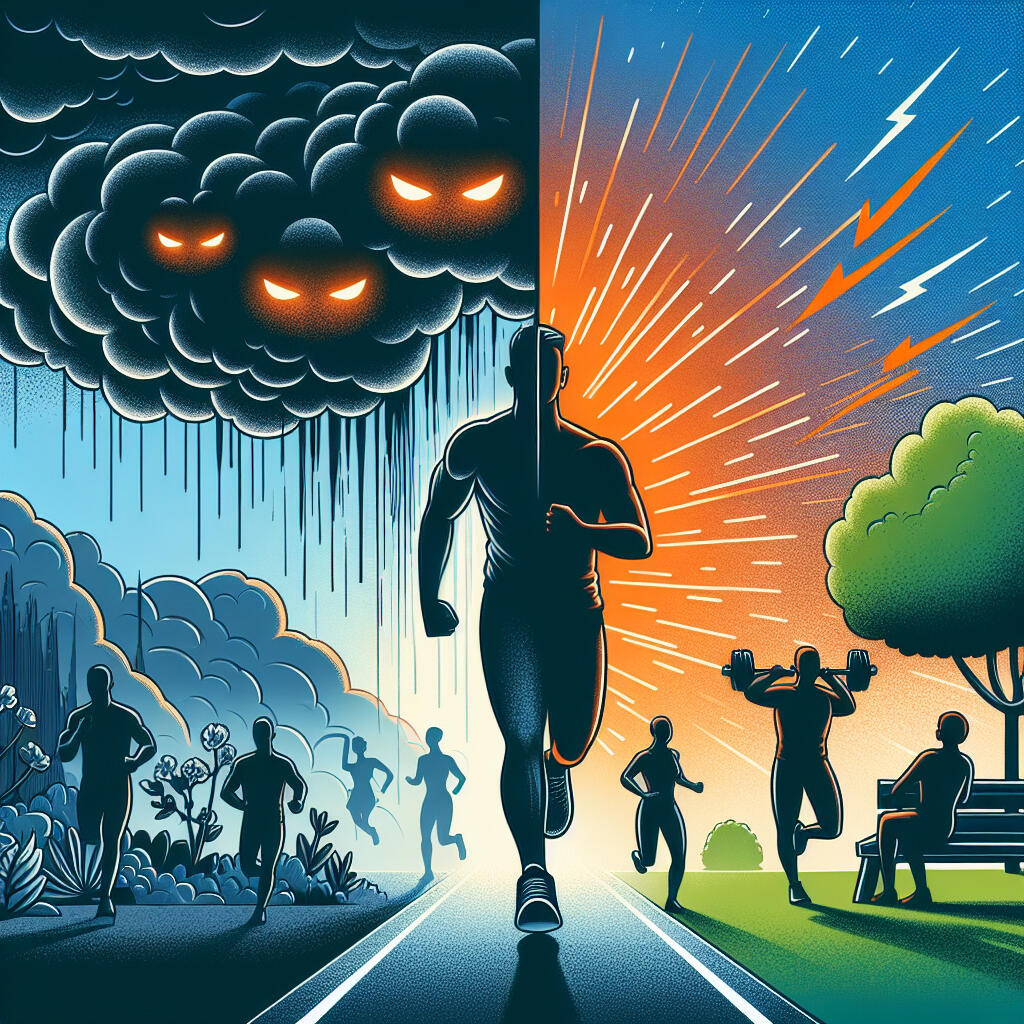
How to Recover Like a Superhuman
Pushing hard on the slopes or in the gym is only half the equation. Optimizing sleep, nervous system regulation, and active recovery protocols allows us to bounce back faster and hit the next adventure feeling remarkably fresh.
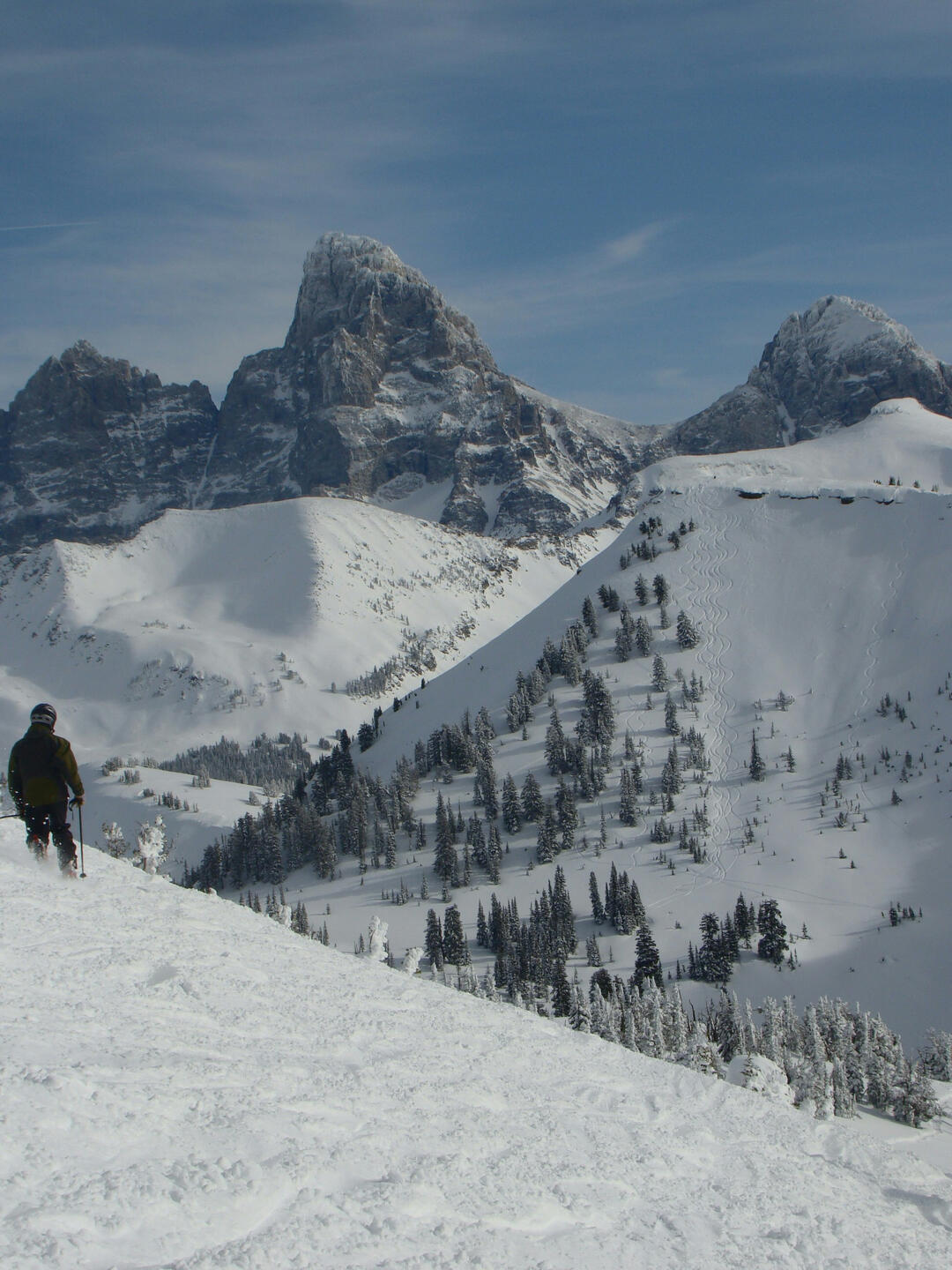
Ski and Board Conditioning
Targeted conditioning focusing on eccentric leg strength and core stability. This prepares our bodies for the specific demands of touring, downhill skiing, and snowboarding.
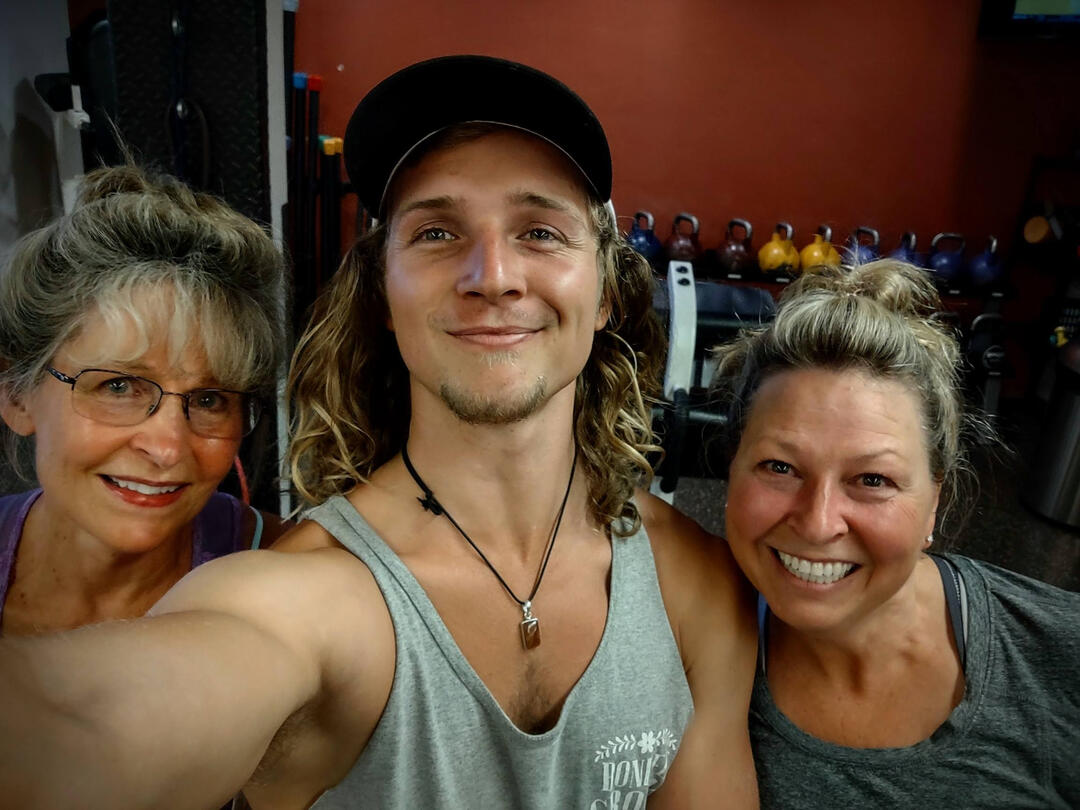
Longevity and Active Aging
These programs for people 55+ focus on bone density, balance, joint health, and muscle mass so we can keep doing the things we love for decades to come.
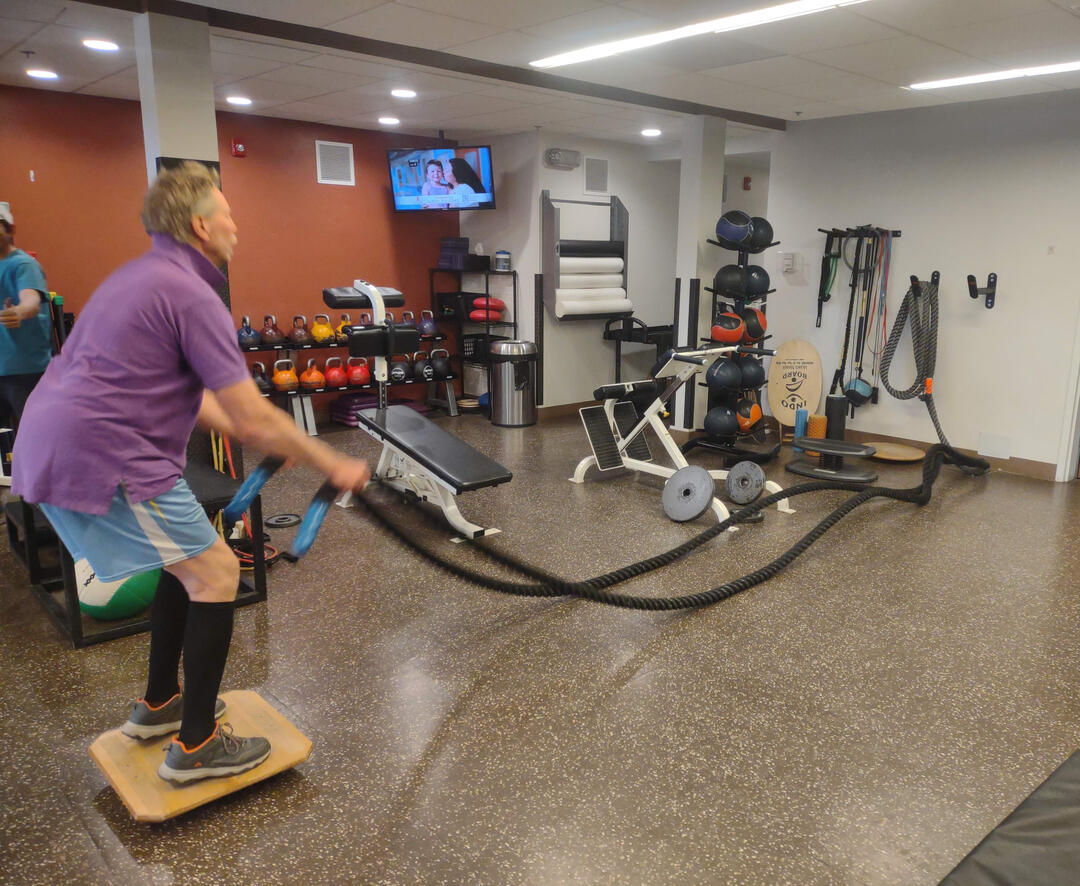
Joint Friendly
Athletic Training
High performance doesn't have to mean destroying our joints. We integrate smarter loading strategies that challenge the cardiovascular and muscular systems while protecting our spines, knees, and shoulders for the long haul.
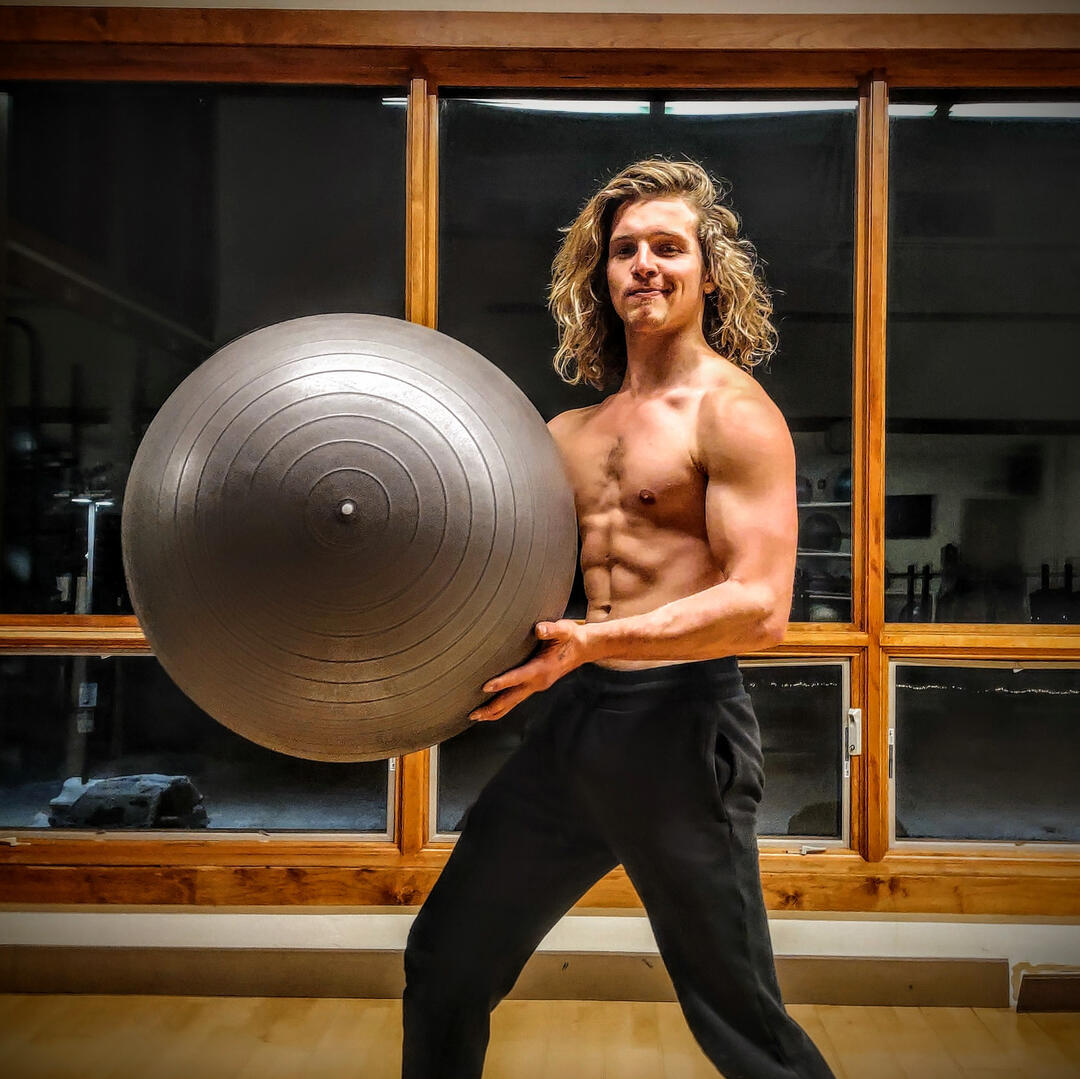
Fat Obliteratng Protocol
Sustainable fat loss is not found in extreme, restrictive diets. Combining metabolic conditioning with practical lifestyle adjustments often creates a more reliable, lasting shift in body composition, helping us shed fat naturally.

Cardiovascular Health For Life
Building a massive aerobic base isn't just for ultra-runners; it’s fundamental to long-term health. Utilizing targeted Zone 2 training and VO2 max protocols helps us build an engine that supports everything from hauling gear uphill to simply living a longer, healthier life.
Contact Us
Please TEXT our phone number for fastest response.
Noah East - Fitness Coach
[email protected]+1 307 342 6480
Back Pain in Golfers: Why It Happens and How to Keep PlayingNov 4, 2026
Author: Noah EastLow back pain is one of the most common reasons golfers cut a round short or leave the game for a season. Reviews estimate that low back injuries affect roughly 15% to 35% of amateur golfers and up to 55% of professionals (Smith et al., 2018). Low back conditions account for about one quarter of all golf injuries (Lindsay & Vandervoort, 2014).Age matters too. A meta-analysis found that older age and higher body mass were both associated with golf-related back pain, and that a past episode of back pain was the clearest predictor of a future one (Smith et al., 2018). For golfers over 50, the goal is less about avoiding the game and more about preparing the body for what the swing demands.Why the golf swing stresses the lower backA golf swing looks smooth, but it asks a lot of the spine. The body stays still over a fixed base, then rotates explosively, often while bent forward and tilted to the side. One review reported lumbar compression in professional golfers of roughly 7,600 newtons, a load close to what college football linemen produce hitting a blocking sled (Haddas et al., 2022).
The lower back is also not built for much twisting. The same review notes that the lumbar spine rotates only about 3 to 15 degrees, so most healthy rotation in the swing should come from the hips and the upper back (Haddas et al., 2022). When those areas are stiff, the lower back may take on rotation it handles poorly. Muscle strains, disc irritation, and facet joint irritation appear to be the most frequent sources of golf-related back pain.
One caution keeps this in perspective. Research directly linking specific swing styles to back pain remains limited (Cole & Grimshaw, 2016), and a 2018 meta-analysis did not find clear support for swing mechanics alone causing pain (Smith et al., 2018). The body preparing for the swing likely matters as much as the swing itself.What raises the riskNo single factor explains golf-related back pain, but several show up repeatedly in the research.• A previous episode of back pain. Among the factors studied, a prior history was the clearest predictor of future pain (Smith et al., 2018). Golfers who have had back trouble before benefit most from a plan to prevent the next episode.• Age and body mass. Older age and higher body mass were both associated with golf-related back pain in pooled analyses (Smith et al., 2018).• Stiff lead hip. The lead hip is the left hip for a right-handed golfer. Professional golfers with a history of back pain showed less lead hip internal rotation and less lumbar extension than those without pain (Vad et al., 2004). Amateur golfers with back pain showed a similar lead hip deficit (Murray et al., 2009). These studies show an association, not proof of cause, but the finding is consistent enough to make hip mobility worth screening.• Skipping the warm-up. In a survey of 522 female golfers, those who rarely warmed up were much more likely to report a golf injury in the past year (Fradkin et al., 2007). An earlier observational study found that only a small share of amateur golfers performed an adequate warm-up, with air swings on the tee being the most common routine (Fradkin et al., 2001).What helps golfers keep playing?Exercise is the foundation. The American College of Physicians recommends exercise among the first-choice treatments for chronic low back pain, ahead of medication (Qaseem et al., 2017). For golfers, the most useful program appears to target the specific demands of the swing.1. Restore rotation where it belongs. Improving rotation through the hips and upper back may take pressure off the lower back (Haddas et al., 2022). Lead hip internal rotation deserves particular attention given the research above.2. Build trunk strength and control. Reviews of golf-related back pain point to trunk muscle control, including the deep abdominal and spinal stabilizers, as a core part of rehabilitation (Gluck et al., 2008). Golf is a one-sided sport, so balanced strength on both sides likely matters as well.3. Warm up with purpose. A short golf-specific warm-up, including light cardio, mobility work, and progressively fuller swings, improved performance in amateur golfers compared with no warm-up (Fradkin et al., 2004). It may also lower injury risk, given the survey findings above.4. Consider swing changes with a coach. Studies summarized in one review found that a shorter backswing reduced back muscle activity without reducing clubhead speed or accuracy (Haddas et al., 2022). Evidence separating the effects of swing changes from rehabilitation remains thin (Gluck et al., 2008), so swing work pairs best with conditioning.5. Ramp up the season gradually. After a long winter off, jumping straight into daily rounds and range sessions asks a lot of tissues that have not been loaded in months.Building volume over several weeks gives the back time to adapt.
When to see a clinician first
Most back pain is not dangerous, and many episodes settle within weeks.Some symptoms, however, call for medical care before any exercise program. Immediate care is needed for back pain with any of the following (Gloucestershire Hospitals NHS Foundation Trust, n.d.):• Difficulty urinating or controlling the bladder or bowels• Numbness in the groin, buttocks, or inner thighs• Weakness in the legs that is getting worsePrompt medical attention is also warranted when back pain comes with fever, a history of cancer, unexplained weight loss, pain that wakes a person from sleep, or pain after a fall or other trauma. Pain that travels down a leg, or that has not improved after a few weeks, is also worth having evaluated by a physician or physical therapist.Playing More SeasonsBack pain does not have to end a golfer's season, or a golfing life.The research points in a consistent direction: rotate through the hips and upper back, build a strong and balanced trunk, warm up before play, and return to full volume gradually. Golfers with a past episode of back pain have the most to gain from starting before the next flare.At Jackson Hole Fitness Coaching, golf conditioning starts with a movement screen of hip rotation, upper back mobility, and trunk control. From there, each golfer gets a program built around their swing, their history, and their goals for the season.References- Cole, M. H., & Grimshaw, P. N. (2016). The biomechanics of the modern golf swing: Implications for lower back injuries. Sports Medicine, 46(3), 339–351. https://doi.org/10.1007/s40279-015-0429-1- Fradkin, A. J., Cameron, P. A., & Gabbe, B. J. (2007). Is there an association between self-reported warm-up behaviour and golf related injury in female golfers? Journal of Science and Medicine in Sport, 10(1), 66–71. https://doi.org/10.1016/j.jsams.2006.04.001- Fradkin, A. J., Finch, C. F., & Sherman, C. A. (2001). Warm up practices of golfers: Are they adequate? British Journal of Sports Medicine, 35(2), 125–127. https://doi.org/10.1136/bjsm.35.2.125- Fradkin, A. J., Sherman, C. A., & Finch, C. F. (2004). Improving golf performance with a warm up conditioning programme. British Journal of Sports Medicine, 38(6), 762–765. https://bjsm.bmj.com/content/38/6/762- Gloucestershire Hospitals NHS Foundation Trust. (n.d.). Red flags in back pain. https://gloshospitals.org.uk/en/Wards-and-Departments/Departments/Pain-Management/Different-Pains/Back-Pain-Draft/Red-Flags-in-Back-Pain- Gluck, G. S., Bendo, J. A., & Spivak, J. M. (2008). The lumbar spine and low back pain in golf: A literature review of swing biomechanics and injury prevention. The Spine Journal, 8(5), 778–788. https://doi.org/10.1016/j.spinee.2007.07.388- Haddas, R., Pipkin, W., Hellman, D., Voronov, L., Kwon, Y.-H., & Guyer, R. (2022). Is golf a contact sport? Protection of the spine and return to play after lumbar surgery. Global Spine Journal, 12(2), 298–307. https://doi.org/10.1177/2192568220983291- Lindsay, D. M., & Vandervoort, A. A. (2014). Golf-related low back pain: A review of causative factors and prevention strategies. Asian Journal of Sports Medicine, 5(4), e24289.https://doi.org/10.5812/asjsm.24289- Murray, E., Birley, E., Twycross-Lewis, R., & Morrissey, D. (2009). The relationship between hip rotation range of movement and low back pain prevalence in amateur golfers: An observational study. Physical Therapy in Sport, 10(4), 131–135. https://pubmed.ncbi.nlm.nih.gov/19897166/- Qaseem, A., Wilt, T. J., McLean, R. M., & Forciea, M. A. (2017). Noninvasive treatments for acute, subacute, and chronic low back pain: A clinical practice guideline from the American College of Physicians. Annals of Internal Medicine, 166(7), 514–530. https://doi.org/10.7326/M16-2367- Smith, J. A., Hawkins, A., Grant-Beuttler, M., Beuttler, R., & Lee, S.-P. (2018). Risk factors associated with low back pain in golfers: A systematic review and meta-analysis. Sports Health, 10(6), 538–546. https://doi.org/10.1177/1941738118795425- Vad, V. B., Bhat, A. L., Basrai, D., Gebeh, A., Aspergren, D. D., & Andrews, J. R. (2004). Low back pain in professional golfers: The role of associated hip and low back range-of-motion deficits. The American Journal of Sports Medicine, 32(2), 494–497. https://doi.org/10.1177/0363546503261729
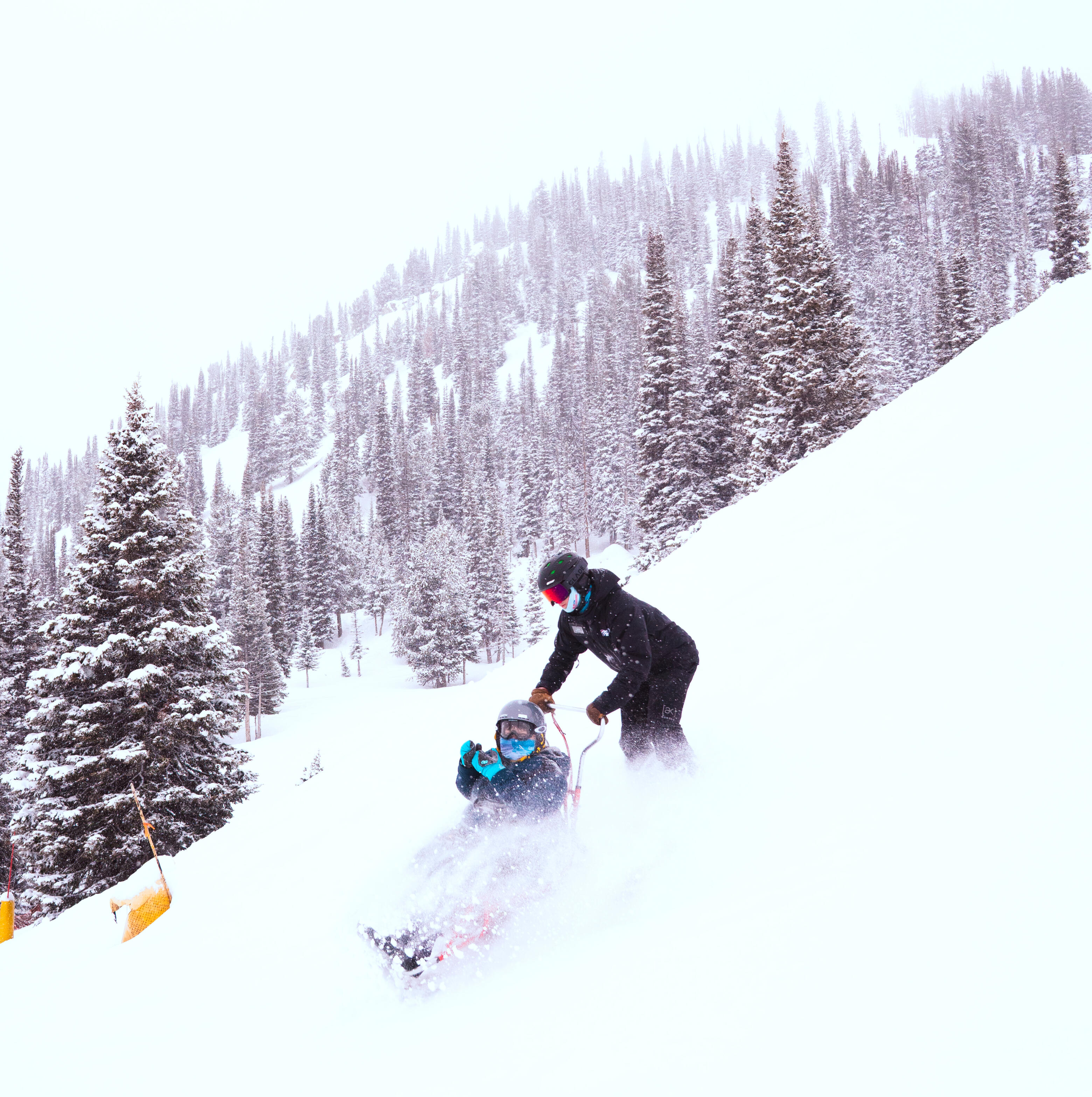
Back Pain in Climbers and Mountaineers: Why It Happens and How to Keep Moving
Most climbing injuries happen to the fingers, elbows, and shoulders, which together account for roughly 80% of chronic climbing injuries (Carraro et al., 2023). The lower back gets less attention, but it may be more of an issue than injury surveys suggest. In a study of 180 competitive climbers, 74% reported low back complaints in the previous year. Most of that pain was mild and did not stop training, and older climbers reported more complaints than younger ones (Carraro et al., 2023). That study involved teenagers, so the numbers may not transfer directly to adult climbers.Mountaineering adds different stresses. Mountaineers appear to have higher rates of head and spine injuries than sport climbers, and American Alpine Club data show that about one third of reported climbing injuries happened during descent (Lowry, 2023). Long approaches with heavy packs, steep descents on tired legs, and the occasional hard fall all ask a lot of the spine.
How climbing loads the back
Research on why climbers develop back pain is still thin, so much of what follows reflects plausible mechanisms rather than settled cause and effect.
Falls and landings. In a year-long study of 507 indoor boulderers, lower body injuries were less common than upper body injuries but more severe, and were more often caused by falling and jumping off the wall (Auer et al., 2021). None of the preventive measures examined in that study showed a clear protective effect. Hard, feet-first landings send force up through the legs and pelvis into the spine, and repeated jumps from the top of a problem add up over a session.
Steep terrain and body tension. Overhanging climbing asks the trunk to keep the feet on the wall while the arms pull. When trunk endurance fades late in a session, the lower back may end up working harder than it should.
High steps and twisting moves. High steps, heel hooks, and drop knees need a lot of hip mobility. If the hips are stiff, the lumbar spine may bend or twist to make up the difference.
Climbing posture. Researchers have described a pattern sometimes called climber's back, an increased rounding of the upper back that builds over years of pulling (Carraro et al., 2023). A stiff upper back may shift more extension and rotation demands onto the lower back.
How mountaineering loads the back
The biggest difference between mountaineering and climbing is carrying weight for hours, often uphill and then down.
Pack weight. Little research looks at mountaineers directly, but soldiers carrying heavy loads offer a useful comparison. In a study of 805 soldiers deployed to Afghanistan for a year, 22% developed moderate or worse low back pain. Heavier loads, longer time wearing body armor, older age, and lower fitness scores all increased the risk (Roy et al., 2013). A broader systematic review found that carrying loads may provoke low back pain, although the evidence across studies is mixed (Golriz & Walker, 2011).
Long descents. Going downhill under a pack, on legs already tired from the climb, demands controlled strength from the hips and trunk. Descents may also be when attention slips, which may help explain why so many reported climbing injuries happen on the way down (Lowry, 2023).
Fatigue and long days. As the trunk and hip muscles tire, posture under load tends to break down, which may leave the lower back to carry more of the work late in the day.
What raises the risk
Several factors appear repeatedly across climbing, load carriage, and general back pain research.
A previous episode of back pain. A history of earlier episodes was the only factor that consistently predicted back pain coming back (da Silva et al., 2017).
Age. Older adolescent climbers reported more back complaints than younger ones (Carraro et al., 2023). Among adult indoor climbers, older age and more hours climbed per week both predicted injuries lasting 12 weeks or longer (Leung et al., 2023).
Heavy loads and long carries. In deployed soldiers, heavier loads and longer time under load raised the risk of low back pain (Roy et al., 2013).
Lower fitness. The same study found lower fitness scores were linked to higher risk (Roy et al., 2013). For mountaineers, this may matter most at the start of a season or on a first big objective after time off.
Repeated hard landings. Falling and jumping off the wall were linked to more severe lower body injuries in boulderers (Auer et al., 2021).
What helps climbers and mountaineers keep moving
Exercise has the strongest evidence for preventing back pain. A meta-analysis of randomized trials found that exercise combined with education lowered the risk of a new episode by about 45%, and exercise alone by about 35% (Steffens et al., 2016). The benefit faded after a year, which suggests the training has to continue. The same review found that back belts and shoe insoles did not prevent back pain. For people already living with chronic back pain, exercise is also among the first-choice treatments (Qaseem et al., 2017).For climbers and mountaineers, that training seems most useful when it matches the demands of the sport.
Build trunk endurance, not just strength. Steep routes and long carries ask the trunk to hold position for a long time. Exercises that build holding endurance, such as plank and side plank variations and loaded carries, may help the trunk stay engaged late in a session or a long day.
Keep the hips and upper back mobile. Hip rotation and flexion for high steps and drop knees, plus upper back extension to offset years of pulling, may reduce how much the lower back has to bend and twist.
Manage pack weight. Heavier loads were linked to more back pain in soldiers (Roy et al., 2013). Carrying only what the objective needs, and fitting the hip belt so it sits on the pelvis, are practical starting points.
Train for the descent. Step-downs, split squats, and loaded downhill hiking build the controlled leg and hip strength that long descents demand.
Down-climb when possible. Jumping and falling off the wall were linked to more severe injuries in boulderers (Auer et al., 2021). Climbing down instead of jumping from the top of a problem likely reduces landing forces, although none of the prevention measures examined in that study showed a clear benefit.
Build volume gradually. Ramping up climbing days, approach mileage, and pack weight over several weeks before a big objective gives the back time to adapt.
When to see a clinician first
Most back pain is not dangerous, and many episodes settle within weeks. Some situations, however, call for medical care before any training program. Immediate care is needed for back pain with any of the following (Gloucestershire Hospitals NHS Foundation Trust, n.d.):
Difficulty urinating or controlling the bladder or bowels
Numbness in the groin, buttocks, or inner thighs
Weakness in the legs that is getting worse
Prompt medical attention is also warranted when back pain follows a fall or other trauma, or comes with fever, a history of cancer, unexplained weight loss, or pain that wakes a person from sleep. For climbers, that includes any ground fall, a bad landing off a boulder, or a fall onto a ledge, especially with new numbness or tingling. Pain that travels down a leg, or that has not improved after a few weeks, is also worth having evaluated by a physician or physical therapist.
Want more seasons in the mountains?
Back pain does not have to end a climbing season or a summit plan. The research points in a consistent direction: keep training year-round, build trunk endurance and hip mobility, respect pack weight, and ramp up gradually before big objectives. Climbers and mountaineers with a past episode of back pain have the most to gain from starting before the next flare.At Jackson Hole Fitness Coaching, mountain conditioning starts with a movement screen of hip mobility, upper back mobility, and trunk endurance. From there, each athlete gets a program built around their discipline, their history, and their goals for the season, whether that is a new grade at the crag or a summit in the Tetons.
- Auer, J., Schöffl, V. R., Achenbach, L., Meffert, R. H., & Fehske, K. (2021). Indoor bouldering: A prospective injury evaluation. Wilderness & Environmental Medicine, 32(2), 160–167. https://doi.org/10.1016/j.wem.2021.02.002- Carraro, A., Gilic, B., Bertolo, R., Albergoni, A., Sarto, F., Roklicer, R., & Sarto, D. (2023). Lower back pain in young climbers: A retrospective cross-sectional study. Frontiers in Sports and Active Living, 5, Article 1328811. https://doi.org/10.3389/fspor.2023.1328811- da Silva, T., Mills, K., Brown, B. T., Herbert, R. D., Maher, C. G., & Hancock, M. J. (2017). Risk of recurrence of low back pain: A systematic review. Journal of Orthopaedic & Sports Physical Therapy, 47(5), 305–313. https://doi.org/10.2519/jospt.2017.7415- Gloucestershire Hospitals NHS Foundation Trust. (n.d.). Red flags in back pain. https://gloshospitals.org.uk/en/Wards-and-Departments/Departments/Pain-Management/Different-Pains/Back-Pain-Draft/Red-Flags-in-Back-Pain- Golriz, S., & Walker, B. (2011). Can load carriage system weight, design and placement affect pain and discomfort? A systematic review. Journal of Back and Musculoskeletal Rehabilitation, 24(1), 1–16. https://doi.org/10.3233/BMR-2011-0275- Leung, J., Petrin, Z., & Southern, W. (2023). Self-reported injuries in indoor gym-based rock climbers: A retrospective study of predictors of prolonged injury and seeking medical care. Wilderness & Environmental Medicine, 34(3), 311–317. https://doi.org/10.1016/j.wem.2023.05.002- Lowry, C. (2023, June 21). Outdoor climbing injuries: Patterns and risks. Mountain Rescue Association. https://mra.org/outdoor-climbing-injuries-patterns-and-risks/- Qaseem, A., Wilt, T. J., McLean, R. M., & Forciea, M. A. (2017). Noninvasive treatments for acute, subacute, and chronic low back pain: A clinical practice guideline from the American College of Physicians. Annals of Internal Medicine, 166(7), 514–530. https://doi.org/10.7326/M16-2367- Roy, T. C., Lopez, H. P., & Piva, S. R. (2013). Loads worn by soldiers predict episodes of low back pain during deployment to Afghanistan. Spine, 38(15), 1310–1317. https://doi.org/10.1097/BRS.0b013e31829265c4- Steffens, D., Maher, C. G., Pereira, L. S. M., Stevens, M. L., Oliveira, V. C., Chapple, M., Teixeira-Salmela, L. F., & Hancock, M. J. (2016). Prevention of low back pain: A systematic review and meta-analysis. JAMA Internal Medicine, 176(2), 199–208. https://doi.org/10.1001/jamainternmed.2015.7431